

When we talk about the most influential companies in the tech industry, Google stands at the very top. From redefining the search experience to building one of the most advanced mobile operating systems in the world, Google has transformed the way people interact with technology. In 2025, the company continues to expand its dominance with innovations in smartphones, AI, and cloud computing. The release of the Google Pixel 10, powered by Android 16, sets a new benchmark for flagship devices, while Google’s broader ecosystem strengthens its role as a global technology leader.
This article takes a closer look at Google’s role in 2025, with a focus on the Pixel 10, Android’s evolution, and the future of mobile technology.
Google: The Tech Giant That Shapes Our Digital World
Google has come a long way since its launch as a search engine in 1998. Today, it is not just a search company but a global innovator influencing nearly every aspect of digital life. Its products, from Gmail to YouTube, Google Drive, and Google Maps, serve billions of users every day. In 2025, Google’s advancements go far beyond software—they extend to hardware, artificial intelligence, and cloud infrastructure.
Most importantly, Google Pixel 10 shows how the company is using hardware and AI together to deliver a next-generation smartphone experience. With Android as the backbone, Google has successfully created a tightly integrated ecosystem that rivals Apple’s iPhone lineup.
Google Pixel 10: A Flagship That Defines 2025
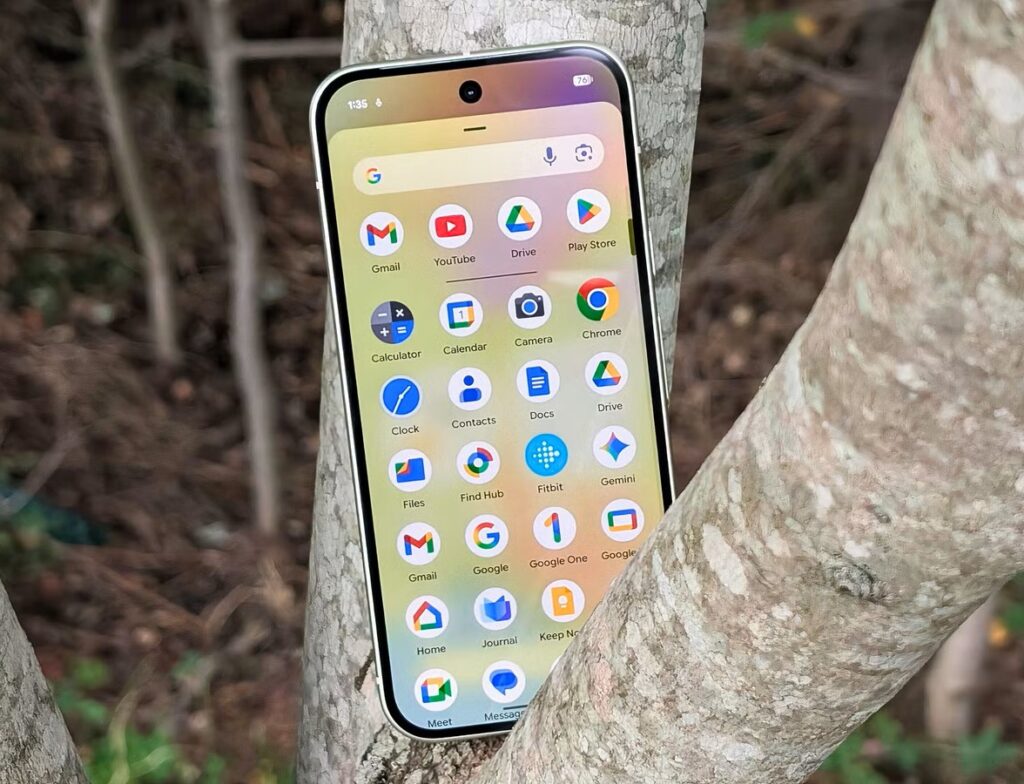
One of the most anticipated devices of the year is the Google Pixel 10, which marks a major step forward in Google’s smartphone lineup. Building on the success of the Pixel 9, the Pixel 10 brings refined design, improved performance, and smarter AI-powered features.
The device features a 6.3-inch OLED display with sharp resolution and a peak brightness of 3,000 nits, ensuring visibility even in bright outdoor conditions. With its Tensor G5 processor, Google delivers powerful AI performance for tasks such as voice recognition, camera enhancements, and real-time translations.
The Pixel 10’s triple camera system represents another leap forward for photography lovers. With a 48MP main lens, 13MP ultra-wide, and 10.8MP telephoto, the phone balances versatility with Google’s computational photography. This combination allows users to capture stunning images in different lighting conditions without needing professional-level adjustments.
When it comes to charging and durability, Google provides 30W wired charging, 15W wireless charging, and IP68 water resistance. The inclusion of Qi2 magnetic charging also brings the Pixel 10 closer to Apple’s MagSafe experience, making it easier to use accessories like stands and wallets.
With these upgrades, the Pixel 10 proves that Google’s new mobile 2025 vision is all about blending AI with everyday usability.

Android 16: A Smarter and More Expressive Experience
The Pixel 10 ships with Android 16, the latest version of Google’s mobile operating system. Android 16 introduces a Material 3 Expressive design, which makes the interface smoother, more interactive, and more customizable than ever before. Users can now enjoy delightful animations, subtle blur effects, and improved color adaptation based on wallpapers.
One of the standout features of Android 16 is its focus on AI-powered tools. Google has integrated features like:
- Magic Cue: surfaces relevant information automatically during calls or app use.
- Camera Coach: provides AI-driven tips to help users take better photos.
- Daily Hub: a new briefing tool that offers an overview of your schedule, reminders, and key updates.
While not every feature is groundbreaking, Android 16 ensures that Google devices feel smarter, faster, and more personalized. This reflects Google’s larger vision of integrating AI into every digital experience.
Google’s Hardware Strategy: More Than Just Phones
Although the Google Pixel 10 dominates headlines, the company’s hardware ambitions extend beyond smartphones. Google continues to innovate in smart home devices, wearables, and cloud-based services. Products like Google Nest and Pixel Watch further enhance the connected ecosystem, ensuring that Android users remain fully integrated into Google’s services.
In 2025, Google is focusing heavily on AI assistants through Gemini Live, a voice-based large language model. This allows users to interact with their phones more naturally, making tasks like composing emails, searching, and managing schedules easier than ever.
Google Pixel 10 Pricing and Market Position
Price plays an important role in Google’s strategy. The Pixel 10 is priced at $800 for the 128GB model and $900 for the 256GB model. Compared to Apple’s iPhone 17 lineup, which starts higher, Google offers a more affordable flagship experience without compromising on essential features.
This competitive pricing ensures that the Google Pixel 10 appeals to a wide audience—from Android enthusiasts who appreciate customizability to everyday users who simply want a powerful, reliable smartphone.
The Future of Mobile: Google’s Vision
Looking ahead, Google’s future in mobile technology rests on three main pillars:
- AI-driven experiences: With features like Magic Cue and Camera Coach, Google is pushing smartphones to become more context-aware and helpful.
- Hardware-software integration: By controlling both Android and Pixel hardware, Google ensures that devices are optimized for performance and user experience.
- Sustainability: Google has made commitments to reducing environmental impact by using recycled materials in its devices and offering long-term software support.
These efforts not only strengthen customer trust but also align with Google’s EEAT principles—expertise, experience, authority, and trustworthiness.
Google vs. Competitors: How It Stands in 2025
In 2025, the smartphone competition is fiercer than ever. Apple’s iPhone 17 continues to dominate in premium markets, while Samsung’s Galaxy series remains a strong player. However, Google is carving out its own space by emphasizing AI, photography, and affordability.
Unlike Apple’s closed ecosystem, Google offers more flexibility and customization, which appeals to Android users worldwide. At the same time, it delivers long-term support—seven years of updates—that rivals Apple’s software policy.
This balance of innovation, openness, and affordability makes Google a major force in the smartphone world.
Why Google Still Leads in AI and Search
Beyond smartphones, Google’s strength in AI and search continues to power its dominance. Google Search remains the most widely used search engine globally, and its integration into Pixel devices ensures seamless access to information. AI models like Gemini are embedded into both search and mobile devices, creating a unified experience across platforms.
This cross-platform consistency is something competitors struggle to match, giving Google a strong edge in the digital ecosystem.
Conclusion: Google’s Place in the Tech Future
In 2025, Google is more than just a search company—it is an AI-driven, hardware-empowered leader shaping the future of digital technology. With the launch of the Google Pixel 10, powered by Android 16, the company proves its ability to compete with the best smartphones on the market. Its balanced approach—refining design, improving AI features, and offering competitive pricing—makes it one of the smartest choices for users in search of a premium device.
As the competition intensifies, Google’s commitment to innovation, accessibility, and long-term support ensures that it remains a trusted leader in the industry. Whether it’s smartphones, AI, or new mobile technologies in 2025, Google is setting a standard that others will continue to follow.
